
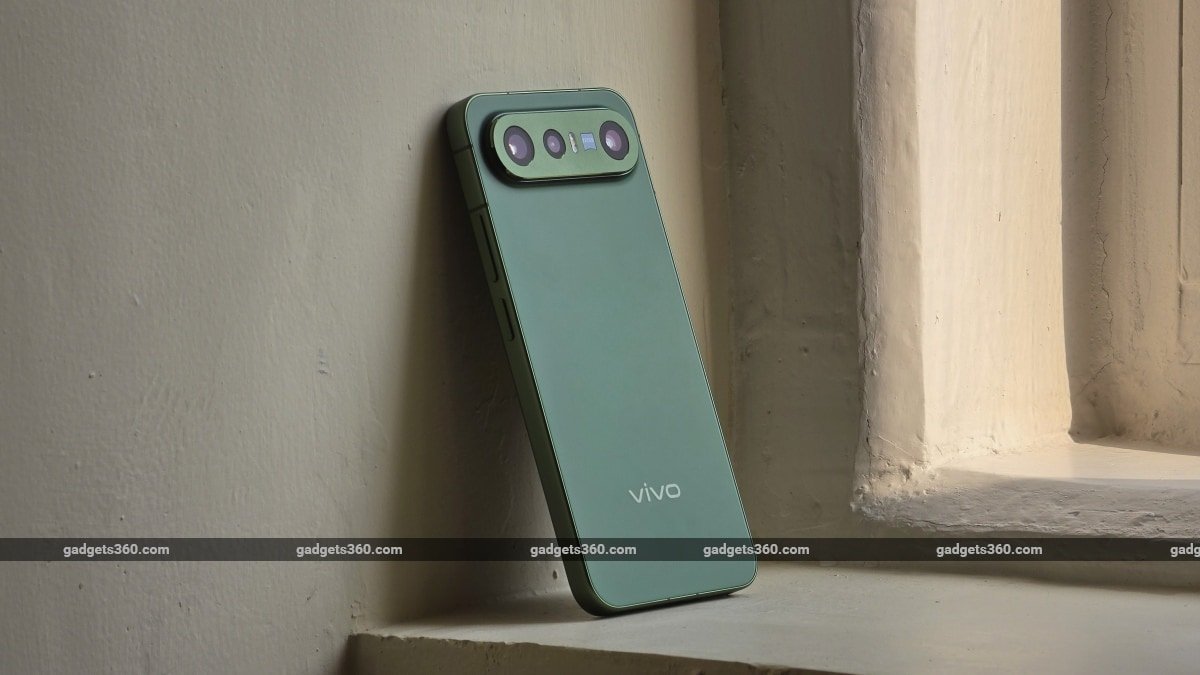
Technical Specifications and Architectural Breakdown
The engineering philosophy behind the Vivo X500 Fe centers on the integration of high-density battery technology with an optimized silicon architecture. At the heart of the device lies the Snapdragon 8 Gen 5 processor. This chipset, fabricated on a refined process node, is designed to balance peak computational throughput with aggressive power management. By pairing this silicon with a 6,500mAh battery—a capacity significantly higher than the industry standard of 5,000mAh—Vivo is prioritizing sustained operational uptime over the pursuit of ultra-thin chassis profiles.
The display assembly utilizes a 6.31-inch LTPO AMOLED panel. The use of Low-Temperature Polycrystalline Oxide (LTPO) technology is critical here, as it allows the screen to dynamically scale its refresh rate based on content. This granular control over power consumption, when coupled with the Snapdragon 8 Gen 5’s efficiency, suggests that the device will comfortably exceed the standard endurance metrics expected of a contemporary smartphone. Furthermore, the inclusion of 90W wired charging provides a necessary hedge against the longer recharge times typically associated with larger battery capacities, ensuring that the device remains functional throughout a demanding workday.
Imaging remains a core pillar of the Vivo brand, and the X500 Fe continues this trend with the inclusion of the 50MP Sony IMX921 sensor. This sensor is engineered for high light sensitivity and improved dynamic range, moving beyond mere megapixel counts to focus on pixel-level data capture. The integration of this hardware with Vivo’s proprietary image signal processing software suggests that the device is intended to perform reliably in diverse lighting conditions, from high-contrast urban environments to low-light indoor scenarios.
Industry Landscape and Competitive Comparison
To understand the market positioning of the Vivo X500 Fe, one must look at how it stacks up against current market benchmarks. The mid-to-high-end segment is currently crowded with devices that offer premium displays but often compromise on battery longevity to maintain a slim form factor. The X500 Fe effectively breaks this trend by opting for a larger power cell without sacrificing the rapid charging capabilities that consumers have come to expect.
| Feature | Vivo X500 Fe | Previous Gen (X400) | Market Average |
|---|---|---|---|
| Battery Capacity | 6,500mAh | 5,200mAh | 5,000mAh |
| Charging Speed | 90W Wired | 67W Wired | 45W Wired |
| Processor | Snapdragon 8 Gen 5 | Snapdragon 8 Gen 3 | Snapdragon 8 Gen 4 |
| Display Technology | LTPO AMOLED | AMOLED | AMOLED |
The data suggests that the X500 Fe is not merely an incremental update. By increasing battery capacity by nearly 25% over its predecessor and upgrading the charging protocol to 90W, Vivo is positioning the device as a pragmatic choice for power users. While many competitors are currently focused on folding screen mechanics or AI-integrated software suites, Vivo’s focus on the fundamental hardware experience—battery, screen, and charging—provides a clear value proposition for users who prioritize reliability over experimental form factors.
Practical Consumer & Enterprise Takeaways
For the average consumer, the Vivo X500 Fe represents a compelling upgrade path, particularly for those currently using devices that are two to three years old. The combination of a high-capacity battery and rapid charging mitigates the degradation issues that typically plague aging lithium-ion cells. Furthermore, the use of the Snapdragon 8 Gen 5 ensures that the device will remain relevant for several years, maintaining compatibility with the latest application requirements and security updates.
From an enterprise perspective, the device offers a balance of performance and endurance that is ideal for mobile-first workforces. The LTPO display ensures that text and data-heavy applications remain legible and fluid, while the battery capacity ensures that employees can operate throughout a full shift without tethering to a charging station. While the device may not be marketed as a ruggedized handset, its focus on internal hardware longevity makes it a sound investment for organizations looking to standardize their mobile fleet for a three-year cycle.
Frequently Asked Questions
Will the 6,500mAh battery significantly increase the physical weight of the device?
While a larger battery does add mass, modern material sciences and chassis engineering allow manufacturers to distribute this weight effectively. Users can expect a slightly heavier profile compared to standard mid-range phones, but the trade-off is a measurable increase in daily operational capacity, which most users find preferable to a lighter, less capable device.
Does the 90W charging speed negatively impact the long-term health of the battery?
Modern fast-charging protocols utilize sophisticated thermal management and power-delivery throttling as the battery reaches higher states of charge. By the time the battery reaches 80% capacity, the charging speed typically tapers off, which preserves the chemical integrity of the cells over hundreds of charging cycles.
Is the Snapdragon 8 Gen 5 overkill for a mid-to-high-end device?
The use of the Snapdragon 8 Gen 5 is less about raw peak performance and more about efficiency. Modern chipsets are designed to complete tasks faster and return to a low-power state more quickly than their predecessors. This contributes to the overall battery efficiency of the X500 Fe, making it a logical choice even for users who do not engage in resource-heavy gaming or video editing.
The Bottom Line
The Vivo X500 Fe is a disciplined hardware exercise. By focusing on the essential pillars of smartphone performance—power delivery, display efficiency, and processing capability—Vivo has created a device that addresses the actual needs of the modern user. While it may lack the speculative features of more experimental handsets, its strength lies in its consistency and reliability. For those seeking a device that avoids the common pitfalls of battery degradation and thermal throttling, the X500 Fe stands as a highly competitive option in the current market, validating Vivo’s strategic shift toward performance-oriented, long-cycle hardware.
 Ishaan Verma
 Maya Deshmukh