
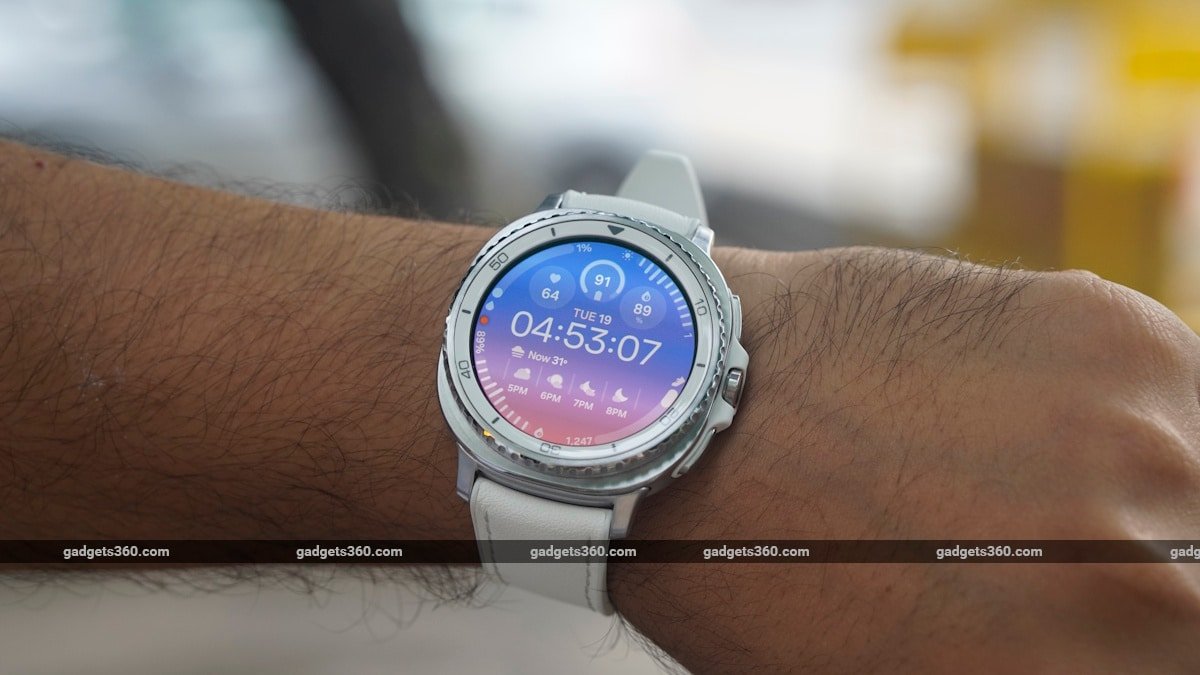
Technical Specifications and Architectural Breakdown
The efficacy of the One UI 9 Watch update relies heavily on the underlying sensor architecture of the Galaxy Watch 8. At the core of these new capabilities is the BioActive Sensor array, which has been refined to provide higher sampling rates for photoplethysmography (PPG). This hardware improvement allows the device to capture more granular data points during both sedentary sleep states and high-intensity aerobic exercise.
The “Vitals” feature operates on a proprietary algorithm that correlates heart rate variability (HRV), blood oxygen saturation (SpO2), and skin temperature. By processing this data through an on-device neural processing unit (NPU), the watch establishes a baseline for the user’s nocturnal physiology. When the system detects a deviation—such as a sustained drop in SpO2 or an abnormal resting heart rate—it flags the event for user review. This is not a diagnostic tool in the clinical sense, but rather a data-aggregation layer that utilizes high-fidelity sensors to provide actionable insights.
Furthermore, the Daily Cardio Load metric utilizes a combination of accelerometer data and heart rate zone analysis to calculate the cumulative stress placed on the cardiovascular system. Unlike traditional trackers that simply measure time spent in zones, the Galaxy Watch 8 applies a weighted algorithm based on the user’s established VO2 max, providing a more accurate representation of recovery needs. This architectural approach minimizes the latency between physical exertion and the presentation of recovery analytics, allowing athletes to adjust their training intensity in real-time.
Industry Landscape and Competitive Comparison
The smartwatch market currently faces a bifurcation: devices that prioritize lifestyle integration and those that prioritize deep-dive athletic performance. The Galaxy Watch 8 occupies a middle ground, attempting to satisfy both the casual user and the data-driven enthusiast. To understand its market positioning, one must consider how it stacks up against the incumbent leaders in the space.
| Feature | Galaxy Watch 8 | Apple Watch Series 10 | Garmin Venu 3 |
|---|---|---|---|
| Health Monitoring | Advanced Vitals/Cardio Load | Vitals/Sleep Apnea Detection | Body Battery/Recovery Focus |
| OS Ecosystem | One UI 9 (Wear OS) | watchOS 11 | Garmin OS |
| Battery Life | Up to 40 Hours | Up to 18-36 Hours | Up to 14 Days |
| Primary Strength | Balanced Health Data | App Ecosystem/Integration | Athletic Recovery Metrics |
While the Apple Watch Series 10 excels in ecosystem fluidity and the Garmin Venu 3 dominates in battery longevity and specialized recovery metrics, the Galaxy Watch 8 distinguishes itself through the depth of its software-level health interpretation. By providing a “Heart Health Score,” Samsung is attempting to gamify cardiovascular maintenance, a feature that resonates with users who find raw data streams overwhelming. The competition remains fierce, but Samsung’s strategy of frequent, feature-rich firmware updates ensures that the hardware remains relevant long after the initial point of sale.
Practical Consumer & Enterprise Takeaways
For existing Galaxy Watch 8 owners, the One UI 9 update is a mandatory installation that effectively refreshes the device’s capabilities. From a cost-benefit perspective, the update provides significant value without requiring a hardware investment. Users who engage in endurance sports will find the Daily Cardio Load feature particularly useful for preventing overtraining, while those with a focus on general wellness will appreciate the proactive nature of the Vitals monitoring.
Enterprise users, specifically those in corporate wellness programs, may find the Galaxy Watch 8 an attractive option for employee health initiatives. The ability to track aggregate health trends—while maintaining strict data privacy standards—allows for a more comprehensive approach to workplace health. However, potential buyers should be aware that the device requires a modern Samsung smartphone to unlock the full suite of features, including ECG and blood pressure monitoring. Those outside the Samsung ecosystem may find the feature set restricted, which is a critical consideration for users who prioritize platform-agnostic hardware.
Frequently Asked Questions
Does the Vitals monitoring feature provide medical-grade diagnosis?
No. The Vitals feature is designed for informational purposes only. It monitors trends and deviations in physiological data to help users understand their health patterns. It is not intended to replace professional medical advice, diagnosis, or treatment. Users should consult a healthcare provider if they notice consistent anomalies in their data.
How does the Daily Cardio Load affect battery life?
The background processing required for continuous Cardio Load tracking has been optimized within the One UI 9 update to minimize power consumption. While users may notice a negligible decrease in battery longevity compared to previous versions, the impact is generally offset by the efficiency improvements in the updated firmware.
Can I use these features if I have a third-party Android phone?
While the Galaxy Watch 8 functions with most Android devices, specific health features—including the most advanced ECG and blood pressure analytics—are gated behind the Samsung Health Monitor app, which requires a Samsung Galaxy smartphone. Basic fitness tracking and Vitals monitoring remain accessible on other Android platforms.
The Bottom Line
The One UI 9 update demonstrates Samsung’s commitment to iterating on the software experience to extend the utility of the Galaxy Watch 8. By emphasizing actionable health insights over simple data collection, the company has successfully positioned its wearable as a serious contender for users who prioritize cardiovascular health and recovery. While the device remains tethered to the Samsung ecosystem for full functionality, the depth of the health metrics provided is currently among the best in the consumer market. For those already invested in the Galaxy ecosystem, this update provides a meaningful enhancement to an already capable device, reinforcing its status as a reliable daily companion for the health-conscious user.
 Ishaan Verma
 Maya Deshmukh